Transform Your Outdoor Space: Top Deck Staining Services for Lasting Beauty
Transforming an outdoor space often starts with the state of the deck. Deck staining solutions play an important role in enhancing and protecting this area. Quality stains not only enhance the aesthetics but also protect against environmental damage. As homeowners seek to develop welcoming environments, understanding the nuances of deck staining becomes vital. What elements should one take into account to guarantee a lasting and beautiful finish? The answers exist in the details of the staining process.
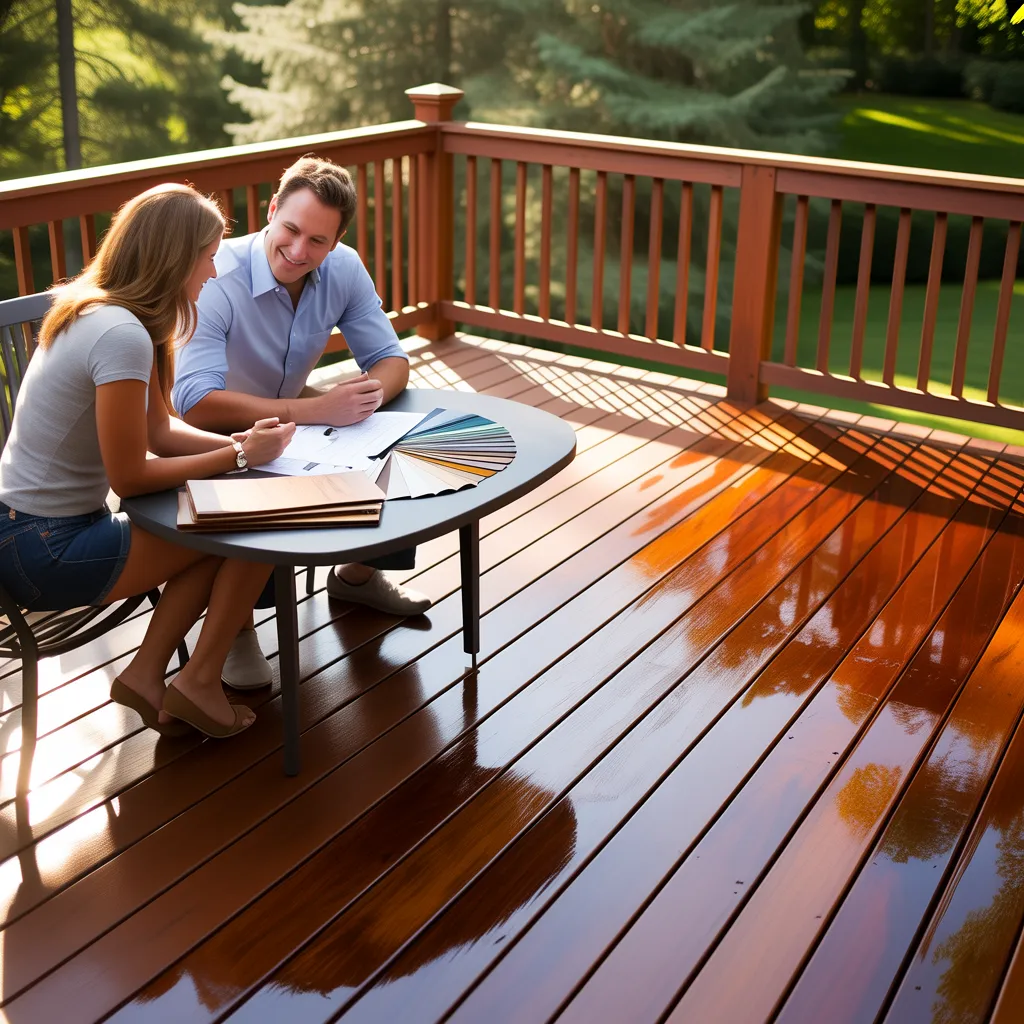
Why Staining Your Deck Is Vital for Your Backyard Space
Deck wood finishing is an important protective measure for outdoor decks, improving both looks and lifespan. Without proper staining, decks are prone to the harsh effects of weather elements, including UV rays, rain, and snow, which can result in wood rot and deterioration. Staining creates a shield that blocks moisture penetration, decreasing the risk of mold and mildew growth. In addition, it helps keep the wood’s natural color and texture intact, preventing fading over time.
Moreover, routine staining can prolong the life expectancy of a deck, protecting homeowners from costly restoration or replacements. It also enhances worth to the estate by improving curb appeal. The suitable stain can showcase the unique grain of the wood, giving the outdoor space a polished look. In the end, deck staining is not merely an visual decision but a crucial element of maintaining a safe and attractive outdoor environment.
Finding the Best Deck Stain: Tones and Treatments Described
Picking the right deck stain requires understanding the wide array of colors and finishes obtainable, which can dramatically influence the overall aesthetic and durability of an outdoor space. Deck stains typically come in three main categories: transparent, semi-transparent, and solid. Transparent stains enable the wood grain to show through, delivering a natural appearance while offering minimal protection. Semi-transparent options enhance the wood's texture and color while delivering better UV protection and durability. Solid stains, on the other hand, deliver the highest level of protection, effectively hiding the wood grain and providing a uniform color.
When picking a shade, homeowners should consider their current outdoor styling and surrounding landscape. Neutral earth colors and grays often work well with natural settings, while striking colors can inject a pop of personality. Ultimately, the right stain not only boosts aesthetic appeal but also extends the life of the deck, making this determination essential for long-term satisfaction.
Important Elements of the Finest Deck Staining Options
The best deck stain solutions are characterized by numerous essential aspects that promise a superior finish. These include the selection of high-grade stains, the utilization of expert application methods, and a comprehensive preparatory phase. Together, these elements result to a resilient and beautiful result for any deck.
Superior Stain Options
Picking the ideal coating can greatly impact the lifespan and visual appeal of a deck. Quality stain selection involves several key factors, including durability, weather resistance, and aesthetic appeal. Premium stains are formulated to resist environmental conditions, preventing moisture infiltration and UV damage. In addition, they often contain mold and mildew inhibitors, which contribute to a more durable coating.
Color varieties also play an essential role; a well-chosen tone can enhance the natural beauty of wood while complementing the surrounding landscape. Moreover, specialized stains offer different sheens, from transparent to solid, enabling homeowners to achieve their desired look. Overall, picking a high-quality stain is critical for ensuring that a deck stays beautiful and functional over time.
Skilled Execution Best Practices
After choosing a top-tier stain, the application process becomes essential to obtaining excellent results. Skilled deck staining organizations employ precise techniques to pledge an regular and resilient finish. Experts typically leverage tools such as brushes, rollers, or sprayers, each appointed based on the stain type and deck material. They often apply the stain in thin regular layers, allowing for maximum absorption and stopping ugly drips or pooling. Additionally, professionals understand the weight of functioning in suitable weather conditions, ensuring the stain adheres properly. Some may also add back-brushing techniques to guarantee complete coverage in textured surfaces. By leveraging these methods, professional services enhance not only the appearance but also the longevity of the deck, safeguarding it against the elements.
Complete Training Methodology
Emphasizing thorough readiness sets apart the top deck staining companies from the competition. These specialists begin by inspecting the deck for damage, guaranteeing structural soundness before any staining occurs. They meticulously clean the area, removing dirt, mildew, and old finishes to establish an ideal bonding environment for the new stain. Some services even apply pressure washing to eliminate stubborn grime successfully. Next, they tackle any repairs, replacing damaged boards or strengthening loose elements. A quality deck staining service will also sand rough areas to obtain a smooth finish, enabling for even stain application. This thorough preparation not only enhances the aesthetic appeal but also extends the lifespan of the deck, ensuring long-lasting beauty and protection against the elements.
DIY versus Professional Deck Stain Solutions: Selecting Your Perfect Option?
When reviewing deck staining options, individuals often weigh the cost against the expertise needed for each method. DIY projects may offer a reduced initial expense but demand certain proficiency to obtain acceptable results. In comparison, hiring professionals involves higher costs but generally ensures a superior finish and long-term durability.
Cost Factors Included
Weighing do-it-yourself deck staining against hiring a professional demands mindful consideration of various cost factors. DIY projects often look cost-effective initially, as they involve just the price in goods, which can range from finishes, brushes, and protective gear. However, unplanned costs like leasing equipment or purchasing tools might develop. In contrast, professional expertise come with a higher upfront cost, encompassing labor, competence, and usually a guarantee on the delivered work. This expenditure produces longer-lasting results that can save total costs over time by reducing the frequency of frequent touch-ups. At its core, the decision copyrights on on evaluating immediate costs and future returns, ensuring homeowners settle on the route that best suits their budget and maintenance inclinations.
Essential Skill Level
Assessing the skill view now level needed for deck staining is essential in ascertaining whether to undertake the project independently or engage a professional. For those with knowledge in home improvement, a DIY approach may be feasible. Fundamental skills such as preparation work, coating methods, and proper tool use are necessary. However, inexperience can lead to uneven finishes or weak protection.
Conversely, engaging a professional guarantees a superior result, as they possess expert expertise and equipment. They can navigate obstacles, such as climatic factors and product selection, efficiently. Ultimately, the decision depends on an person's self-assurance in their skills and the desired durability and look of the deck. Matching competency with anticipated outcomes will direct this crucial decision.
Essential Advice for Keeping Your Deck's Long-Term Aesthetic Condition
Sustaining your deck's visual appeal calls for consistent care and attention. Consistent cleaning is vital; using a broom or leaf blower to remove debris inhibits the accumulation of mold and mildew. A gentle pressure wash periodically every few months can revitalize the appearance, but care must be taken to avoid damaging the wood.
Inspecting the deck for indications of damage, such as splintering or fading, is essential. Any damaged boards should be replaced promptly to maintain stability. Additionally, applying a high-quality stain or sealant every couple of years enhances protection against UV rays and moisture, extending the deck's lifespan.
Seasonal care is also important. In winter, clearing away snow and ice prevents dampness problems. Finally, laying down rugs or mats in high-traffic zones can reduce deterioration. By adhering to these simple yet effective care guidelines, homeowners can guarantee their deck surfaces remain beautiful and functional for many years ahead.
Compelling Before and After Deck Transformations
Revamping a deck can greatly enhance both its aesthetic quality and usefulness. Before and after transformations illustrate the significant difference that professional staining services can provide. In many cases, aged, gray wood is renewed into a rich, beautiful hue, swiftly lifting the entire outdoor area.
For example, a overlooked deck with peeling paint and visible wear can be restored into a stunning centerpiece for gatherings, featuring a smooth finish that encourages guests to linger. The addition of complementary furniture and railings enhances the makeover, creating a unified appearance.
Additionally, these transformations aren't solely about beauty; they also improve resilience. A well-stained deck is protected from the weather, preventing moisture and UV damage. As a result, before and after images not only motivate but also emphasize the importance of choosing quality deck staining solutions, ensuring enduring pleasure and boosting outdoor living spaces for many years.
Common Inquiries Asked Regularly
How Often Should I Stain My Deck?
Your deck should ordinarily be stained every two to three years, based on exposure to weather elements. Scheduled reviews can assist with determining the staining demand, maintaining protection and maintaining the deck's aesthetic appeal over time.
May I Apply Stain Over Worn Paint or Stain?
Putting stain over old paint or stain is commonly not recommended. Surface preparation, involving thorough cleaning and possibly sanding, is necessary to confirm adequate adhesion and a uniform finish, improving the longevity of the new stain.
What Weather Conditions Are Ideal for Stain Application?
The optimal atmospheric conditions for applying stain happen on dry and mild days with heat levels between 50°F and 90°F. Minimal moisture and little air movement also support optimal adhesion and curing, providing a sturdy finish for outdoor surfaces.
What Timeframe Should You Anticipate for Deck Stain Longevity?
Deck stain usually endures from three to five years, based on factors such as climate, exposure to sunlight, and the type of wood. Regular maintenance can extend its durability and improve the deck's appearance.
Do sustainable coating options available?
Yes, various eco-friendly finish options are provided, such as aqueous and plant-based formulations. These products reduce toxic substances while providing efficient defense and amplifying the natural beauty of wood, keeping them appropriate for green-conscious home dwellers.